
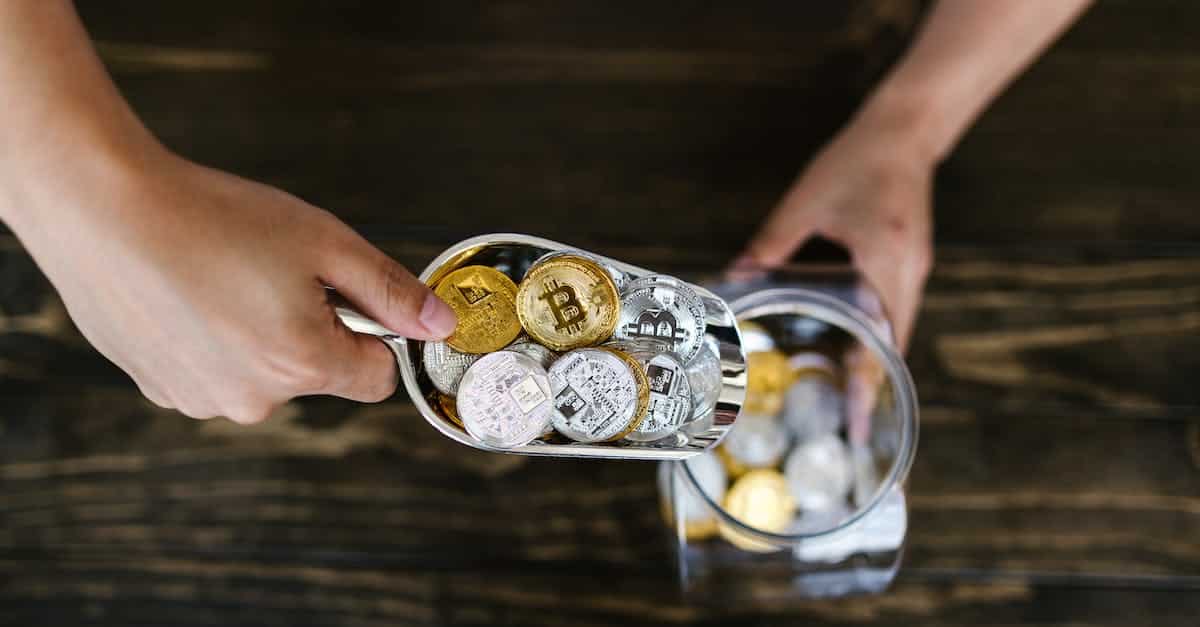

Cryptocurrency remains one of the most closely watched corners of investing in 2026 — and one of the least forgiving for anyone who skips the research. The market is vast: as of Q4 2024, over 23,000 cryptocurrencies existed with a combined market capitalization exceeding USD 2 trillion, according to CoinMarketCap data cited in academic research. Ownership has gone mainstream, too: Triple-A estimated global digital currency ownership at an average of 6.8% as of 2024, with over 560 million owners worldwide. Whether you are a seasoned investor or just starting out, this guide covers the factors worth weighing before you commit money, long-established projects and notable altcoins, and the trends shaping the market, so you can make informed decisions in a fast-moving landscape.
Factors to Consider in Cryptocurrency Investments
The cryptocurrency market is volatile and constantly evolving, so informed decisions start with a clear-eyed look at the forces that can move your investments.
- Market volatility. Prices can swing sharply in a short period, producing significant gains or losses. Understand the market’s dynamics and be prepared for fluctuations.
- Technology and innovation. Look for projects with strong technological foundations, innovative features, and real use cases. Cryptocurrencies backed by robust technology with potential for widespread adoption are better positioned for the long run.
- Regulatory environment. Rules vary from country to country, and government decisions can significantly affect a cryptocurrency’s value and utility. Stay current on the regulations in your jurisdiction so your investments comply with them.
- Market demand and adoption. A growing user base, partnerships with established companies, and an active community of developers and supporters can signal long-term sustainability and room for future growth.
- Security and privacy. Favor projects that prioritize strong security measures, such as robust encryption protocols and secure storage solutions, and consider the privacy features on offer, which matter to a growing share of users.
- Team and community. Research the team’s experience, track record, and ability to execute the project’s vision, and gauge whether the surrounding community is active and engaged.
Weighing these factors helps, but no checklist removes risk: only invest what you can afford to lose, stay vigilant, and take a long-term perspective.
Established Cryptocurrencies to Research in 2026
Long-established cryptocurrencies have a track record and significant adoption, which makes them a common starting point for research.
- Bitcoin (BTC). The first and most well-known cryptocurrency, with a limited supply of 21 million coins and increasing institutional adoption. CNBC reported that Bitcoin was the best performing asset class of 2024, helped by new ETFs, and the Crypto Wealth Report 2024 noted that Bitcoin rose to over USD 73,000 in March 2024, a new all-time high at the time.
- Ethereum (ETH). More than a currency, Ethereum is a blockchain platform for smart contracts and decentralized applications, with a large and active developer community. Ongoing network upgrades aim to improve scalability and security.
- Ripple (XRP). Focused on fast, low-cost international money transfers, aiming to bridge traditional financial institutions and blockchain technology, with partnerships at major banks and financial institutions worldwide.
- Litecoin (LTC). A peer-to-peer cryptocurrency offering faster transaction confirmation times and a different hashing algorithm than Bitcoin, with a strong community and a solid reputation for security and stability.
- Cardano (ADA). A blockchain platform built to provide a secure, sustainable foundation for decentralized applications and smart contracts, known for its emphasis on academic research and a rigorous, peer-reviewed development process.
Altcoins With Distinct Use Cases
Beyond the biggest names, several projects stand out for tackling specific problems. They carry their own risks, so the same research standards apply.
- Polkadot (DOT). A multi-chain network that lets different blockchains interoperate and share information, targeting scalability and compatibility through a decentralized network of connected chains.
- Chainlink (LINK). A decentralized oracle network that connects smart contracts with real-world data, providing a secure and reliable way to bring external information into blockchain applications.
- VeChain (VET). A platform designed for supply chain management and product authenticity verification, used to improve transparency and traceability in industries such as food and luxury goods, with partnerships at major companies.
Trends to Watch in the 2026 Cryptocurrency Market
Positioning yourself well means anticipating where the market is heading, not just where it has been.
- Bitcoin’s continued dominance. With a market capitalization that far surpasses other digital currencies, Bitcoin remains a go-to choice for investors seeking stability and liquidity — though emerging projects that could challenge that position are worth monitoring.
- Institutional adoption. Major financial institutions have entered the market, and the development of regulatory frameworks can bring more stability and legitimacy, along with new investment opportunities.
- Decentralized finance (DeFi). DeFi platforms offer decentralized, transparent alternatives to traditional financial services and are positioned to disrupt sectors such as lending, insurance, and asset management.
- Blockchain beyond currency. Industries such as supply chain management, healthcare, and real estate are exploring blockchain technology for enhanced security, transparency, and efficiency.
- Projects with strong technology. Polkadot, Chainlink, Cardano, and VeChain combine distinctive features, strong developer communities, and real-world use cases that merit attention.
Tips for Making Informed Investment Decisions
- Do your research. Study each project’s technology, team, track record, and growth potential. Read whitepapers, browse forums, and follow the latest news and developments.
- Diversify your portfolio. Spread investments across established cryptocurrencies and promising smaller projects to capture growth opportunities while limiting the impact of any single loss.
- Consider market capitalization. Larger market caps generally signal more established, stable assets; smaller caps can offer higher growth potential but come with higher risk.
- Stay updated on market trends. Follow reputable sources, join cryptocurrency communities, and watch regulatory changes and industry news.
- Set clear goals and risk tolerance. Define your financial objectives, time horizon, and comfort with volatility before you invest, and build a risk management plan around them.
Conclusion
Informed cryptocurrency investing comes down to disciplined research, diversification, attention to market capitalization and trends, and honest limits on risk. The market rewards preparation and punishes guesswork, so invest only what you can afford to lose, and consider consulting a financial advisor if you need guidance tailored to your situation.
Frequently Asked Questions
How can I make informed investment decisions in the cryptocurrency market?
Conduct thorough research, diversify your portfolio, consider market capitalization, stay updated with market trends, and set clear investment goals and risk tolerance.
What are the risks of investing in cryptocurrencies?
Market volatility, uneven regulation, potential for fraud, and technological vulnerabilities. Only invest what you can afford to lose, and stay aware of the risks inherent to the market.
Why is diversifying my portfolio important in cryptocurrency investment?
Diversification spreads risk across different assets, reducing the impact of losses in any one holding while keeping you exposed to potential gains elsewhere.
Why is it important to consider market capitalization?
It indicates a cryptocurrency’s size and value and offers insight into its liquidity, stability, and growth potential — a useful guideline for matching assets to your goals and risk tolerance.
How can I stay updated with market trends in the cryptocurrency market?
Follow reputable news sources and blogs, join cryptocurrency communities and forums, and analyze market data and charts regularly to make informed decisions.